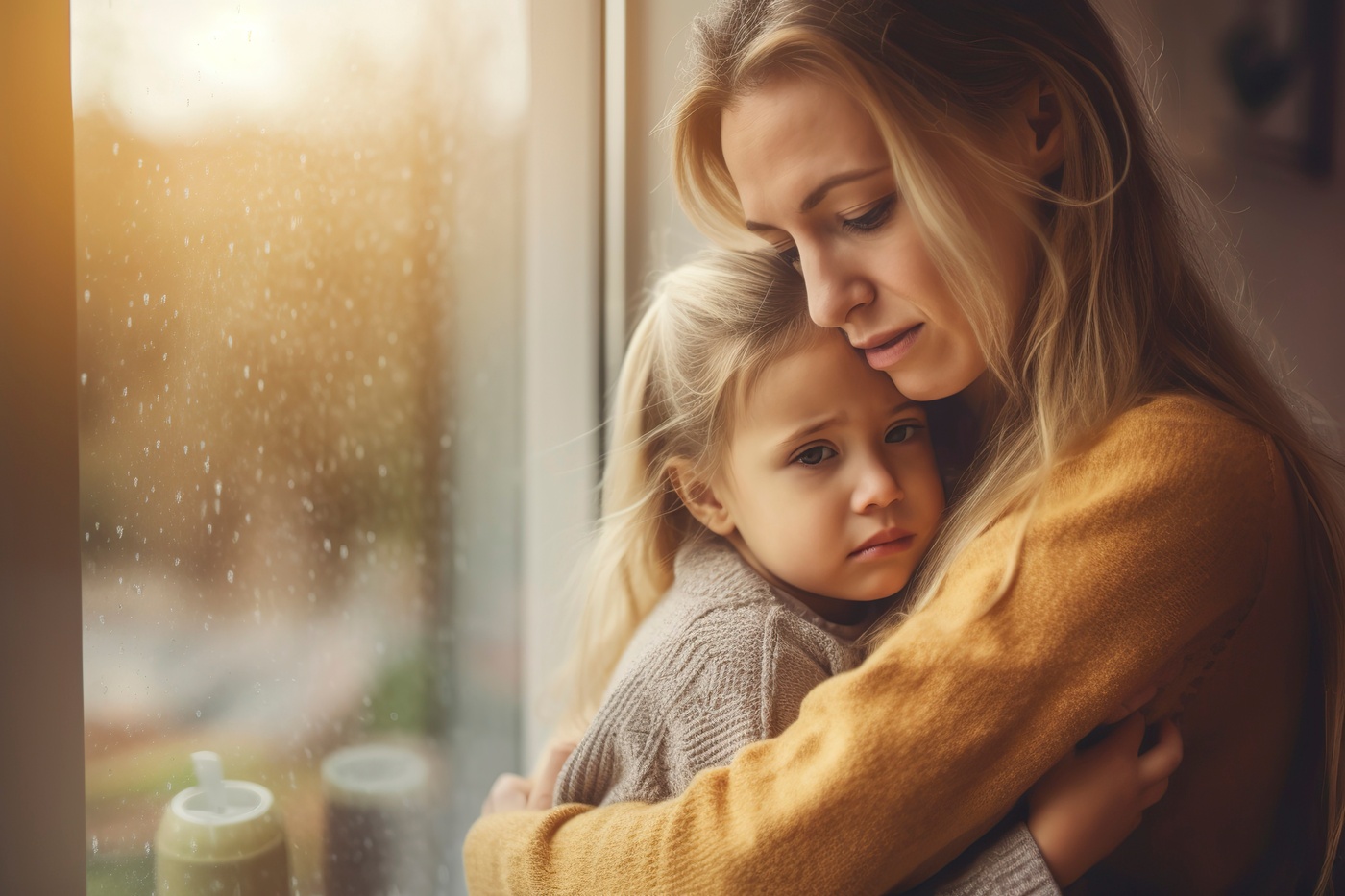
Grief is a natural response to loss, yet the emotions that follow a death can often take us by surprise. Everyone experiences grief differently, and finding ways to process these emotions is an essential part of healing. While many resources are available online to explore the stages of grief and support options, some people may find comfort in joining local support groups where they can connect with others who are navigating similar feelings.
To help you through this difficult time, we’ve gathered some helpful tips for managing your own grief, as well as considerations for supporting others who may also be experiencing loss.
Self-Care and Supporting Yourself During Grief
Just as you must take care of yourself before you can care for others, managing grief requires that you prioritize your own needs, even while handling the many details that follow a loss. Here are some important things to keep in mind:
Quick Notes:
Understand That Your Feelings Are Okay
Give Yourself Adequate Time To Grieve
Take Care Of Your Physical Needs
Ask For & Accept Help
Navigating Grief
Grief is a complex journey, filled with a wide range of emotions and physical responses. It's normal to experience everything from fatigue and mood swings to feelings of disconnection or even relief following a loss. Embracing these emotions without judgment is crucial, as grieving is a highly individual process with no set timeline or right way to proceed. Allowing yourself to fully experience these feelings is an essential step in healing.
During this time, self-care is especially important. Focusing on your physical well-being—eating properly, getting sufficient rest, and maintaining routines—can help provide a sense of stability amid the turmoil. Don't hesitate to seek support from loved ones or professionals; accepting help with daily tasks or leaning on others for emotional support can build resilience and facilitate healing. Remember, asking for assistance is not a sign of weakness, but an act of self-compassion and strength on your path to recovery.
Childhood Grief
Children's reactions to death may differ from adults', often displaying a wide array of emotions like depression, guilt, or anger. Encouraging open expression of feelings is crucial, even if some children struggle to articulate them. Tailoring conversations to their developmental stage aids comprehension and processing, while regression behaviors may manifest during times of trauma or loss.